Most people try to source from China alone. They lose money. They get bad samples. I have been there too, and I want to save you that pain.
To source products from China, I follow six steps: define the product clearly, find suppliers on Alibaba or through agents, ask for samples, check the factory, negotiate price and terms, then arrange shipping with a trusted forwarder. This keeps risk low.
I run wesupplyany.com, and I source for clients every week. The steps below are the ones I actually use. Read on, because the small details matter more than the big ones.
Why Should I Source From China In The First Place?
Most buyers worry about quality. They also worry about scams. China still wins on price, speed, and choice, if you know where to look.
I source from China because the supply chain is deep, the unit cost is low, and the factories can scale fast. One country gives me fabric, hardware, packaging, and shipping in one trip. No other market matches this.
When I first started, I thought “China” was one big place. It is not. Each city has its own product focus. Yiwu1 does small goods. Shenzhen does electronics. Foshan does furniture. Guangzhou does fashion. If I pick the wrong city, I pay more and wait longer. So I always match the product to the right cluster first. The World Bank country brief on China2 also shows how strong the manufacturing base still is, and that backs up what I see on the ground.
Main Product Clusters I Use
| City | Best For | My Note |
|---|---|---|
| Yiwu | Gifts, daily goods | Low MOQ, mixed loads |
| Shenzhen | Electronics, gadgets | Fast tech updates |
| Foshan | Furniture, lighting | Heavy freight, plan early |
| Guangzhou | Apparel, bags, shoes | Big fabric markets |
| Ningbo | Tools, hardware | Strong export ports |
This map saves me weeks. I send my client straight to the right zone.
How Do I Find A Reliable Supplier?
Bad suppliers look perfect online. Their photos are clean. Their replies are fast. Then the goods arrive broken. I have learned to look past the surface.
I find reliable suppliers by cross-checking three sources: Alibaba Gold history, a video factory tour, and a third-party audit. If a supplier passes all three, I trust them with a small first order before I scale up.
Alibaba3 is my starting point, not my ending point. I check how many years the supplier has been on the platform. I read the response rate. I ask for a live video walk inside the workshop, not a pre-recorded one. I want to see workers, machines, and raw material on the floor. If the boss refuses, I move on. For orders above $5,000, I pay for a third-party audit from a group like SGS4, or I run the business name through Tianyancha5 to confirm the company is real. The fee is small next to a failed shipment.
My Supplier Check List
| Check | Tool | Pass Mark |
|---|---|---|
| Years on Alibaba | Profile page | 3+ years |
| Live factory video | WeChat call | Real-time only |
| Business license | Tianyancha | Matches name |
| Sample quality | Paid sample | Meets spec |
| Third-party audit | SGS or agent | No major flaws |
How Do I Handle Samples And MOQ?
Buyers often skip the sample to save time. Then they get 1,000 wrong units. The sample stage is where I catch every problem before it grows.
I always order a paid sample first, even if the supplier offers it free. A paid sample makes the factory take me serious. I check the size, weight, color, smell, and packing, then I sign off in writing before mass production starts.
MOQ, or minimum order quantity6, is the next wall. Most factories ask for 500 to 1,000 units. As a beginner, that feels heavy. I push back in two ways. First, I ask if the factory has stock fabric or stock parts; using stock cuts MOQ in half. Second, I combine orders from two clients into one PO, so the factory sees a bigger number. If the supplier still says no, I move to a trading company. They hold lower MOQ but charge a small markup. For a first test run, I think that markup is worth it.
Sample Stage Notes
| Step | Why It Matters |
|---|---|
| Pay for the sample | Builds respect |
| Test in real use | Finds hidden flaws |
| Sign a sealed sample | Locks the standard |
| Keep one sample at home | Proof if dispute |
How Do I Ship And Pay Without Risk?
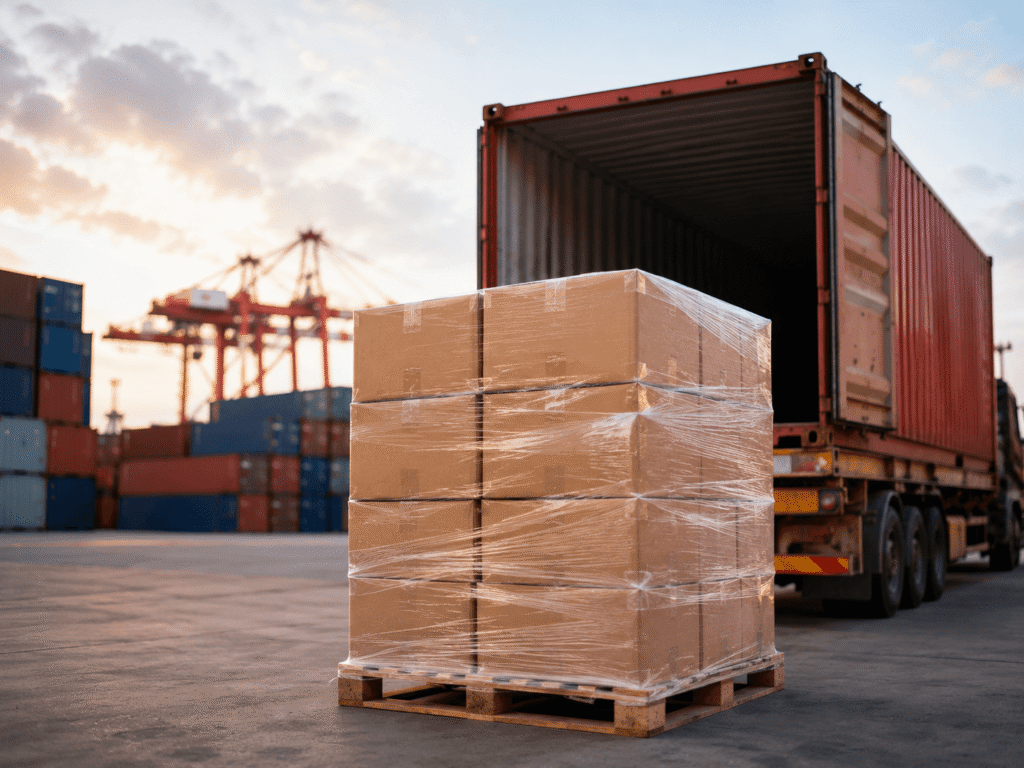
Payment scams hurt more than bad products. A wire to the wrong account is gone forever. Shipping delays can also kill a launch.
I pay 30% deposit by T/T and 70% after I see the loading photos. For new suppliers, I use Alibaba Trade Assurance or escrow. I ship by sea for big orders and by air express for samples or urgent stock. I always book through my own freight forwarder, not the factory’s.
I never send the full payment up front. That rule has saved me many times. I also ask for the factory bank account, not a personal one. If the name does not match the business license, I stop. For shipping, I read the Incoterms rules from the ICC7 first, so I know who pays for what at each step. Sea freight is cheap but slow, around 30 to 40 days to the US. Air express is fast, three to seven days, but costs five times more. I mix both: I air-ship a small batch first to start sales, then sea-ship the rest. For US buyers, I also check the US Customs and Border Protection import basics8 before the goods leave the port, so the paperwork is clean on arrival.
Payment And Shipping Mix
| Method | Use Case | My Tip |
|---|---|---|
| T/T 30/70 | Standard orders | Photo proof before balance |
| Trade Assurance | New supplier | Keep all chats on platform |
| Sea LCL | Under 15 CBM | Share a container |
| Sea FCL | Over 15 CBM | Cheaper per unit |
| Air Express | Samples, urgent | DDP if possible |
Conclusion
Sourcing from China is simple when I follow the steps: pick the right city, vet the supplier, test the sample, and pay in stages.
References
- Wikipedia, “Yiwu.”
- The World Bank, “China Country Overview.”
- Alibaba.com, global B2B marketplace.
- SGS, “Supplier and Factory Audits.”
- Tianyancha, China business credit lookup.
- Investopedia, “Minimum Order Quantity (MOQ).”
- International Chamber of Commerce, “Incoterms Rules.”
- U.S. Customs and Border Protection, “Basic Importing and Exporting.”